
How to Find Debt Lawsuit Defense Near You
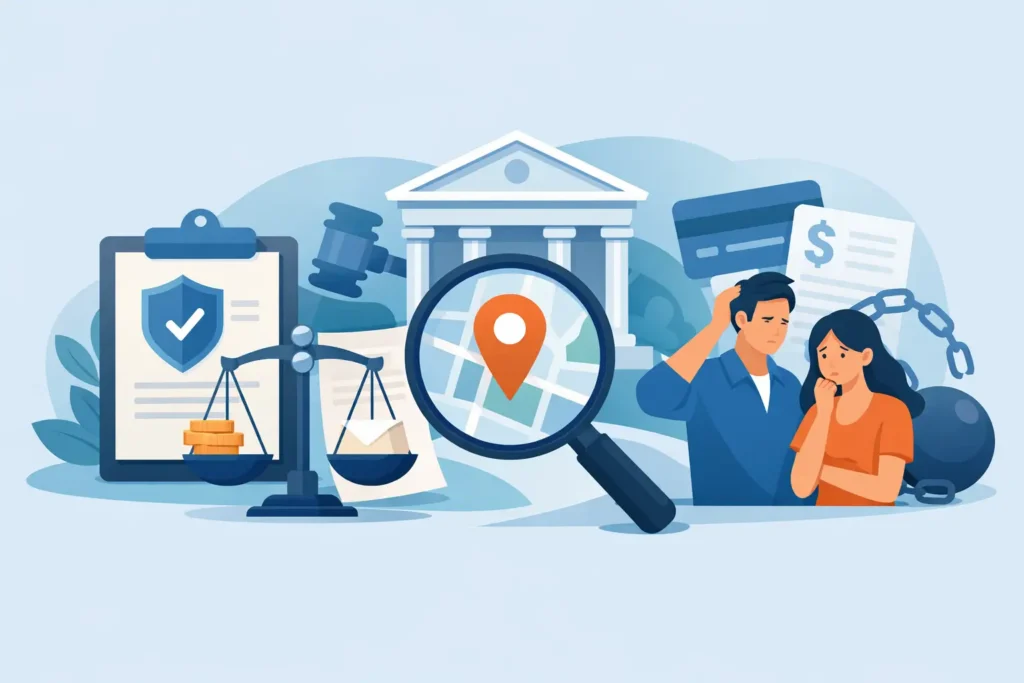
A debt collection lawsuit can arrive in a plain envelope, then suddenly turn into a court deadline, a case number, and a lot of unanswered questions. If you are searching for how to find debt lawsuit defense, start with one rule: do not wait to understand every detail before taking action. A timely response can protect your ability to challenge the claim, negotiate from a stronger position, or get qualified legal help.
Debt lawsuits are usually filed by original creditors, collection agencies, or companies that purchased old accounts. The plaintiff may claim you owe money on a credit card, medical bill, personal loan, auto deficiency balance, or another consumer debt. Their complaint is an allegation, not proof that they have established every part of their case.
Start With the Court Papers, Not the Collector’s Story
Read the summons and complaint carefully. Look for the court name, case number, plaintiff, amount claimed, date the case was filed, and the deadline to file an answer or other response. Deadlines vary by state and court. Missing one can allow the plaintiff to seek a default judgment, potentially leading to wage garnishment, bank account levies, or liens where permitted by law.
Keep the entire packet, including the envelope and service paperwork. Make copies or take clear photos. Write down the response deadline on a calendar, along with a reminder several days earlier. If you are unsure whether you were properly served or what a document requires, that is a question for a local attorney or court self-help resource – not the debt collector calling about payment.
Do not ignore court papers because the balance seems familiar. The amount may include interest, fees, or charges you can question. The company suing may not be the company you originally dealt with. Even when you believe you owe something, you may have defenses, settlement options, or a need for more documentation before agreeing to anything.
How to Find Debt Lawsuit Defense That Fits Your Case
The best defense resource depends on the amount at stake, your income, the type of debt, and how soon you must respond. A consumer debt defense attorney is often the most direct option when a lawsuit has already been filed, especially if the claim is substantial, the debt was sold, you have a possible identity theft issue, or the case involves complicated records.
Look for an attorney whose practice specifically includes consumer debt defense, collection defense, creditor lawsuits, Fair Debt Collection Practices Act claims, or bankruptcy. A general legal listing can be a useful starting point, but specialization matters. Someone who regularly handles collection cases is more likely to recognize issues with account ownership, documentation, statutes of limitations, or improper service.
When traditional search results feel crowded and unclear, a category-based professional directory can make the process more organized. On dwai.com, consumers can look for debt and financial resolution professionals by service category and move directly toward a local specialist who handles the problem at hand. The goal is not to make a rushed choice. It is to reduce the time spent sorting through unrelated results while a court deadline is approaching.
If hiring a private attorney is not realistic, contact local legal aid organizations, a county or state bar referral service, law school clinics, or your court’s self-help center. Eligibility for legal aid often depends on income, household size, and the type of legal issue. These programs may offer full representation, advice, forms, clinics, or referrals. Ask immediately whether they can help before your answer deadline.
Questions to Ask During a Consultation
A short consultation should help you decide whether the professional understands your situation and can act quickly. Explain the deadline first, then ask whether they handle cases in that specific court. You can also ask how they charge, whether they offer limited-scope help for an answer or hearing, and what documents they need from you.
Ask what defenses or next steps they see based on the complaint. A responsible professional will not promise that a case will disappear. They should explain the process in plain language, identify what they need to review, and be honest about costs and uncertainty.
Bring or send the summons, complaint, account statements, collection letters, prior settlement offers, payment records, and any messages related to the account. If the debt may be too old to sue on, include records that show when you last made a payment. State time limits can be complicated, and a partial payment or written acknowledgment may affect the analysis. Get legal advice before taking either step simply to make the calls stop.
Common Defenses Worth Discussing With a Lawyer
A defense is not a magic phrase. It is a legal reason the plaintiff may be unable to prove its case or may be seeking the wrong amount. The facts and state law control, so avoid copying an online form without understanding it.
A few issues commonly arise in consumer debt cases:
- The plaintiff cannot show it owns the account or has the legal right to sue.
- The records do not reliably prove the balance, interest, fees, or terms being claimed.
- The debt belongs to someone else because of identity theft, mixed files, or an account error.
- The lawsuit was filed after the applicable statute of limitations expired.
- You were not properly served, or the complaint contains inaccurate information.
These are not guarantees, and a defense that applies in one state may work differently in another. Still, they show why reviewing the papers with someone experienced in collection defense can be valuable. Debt buyers often rely on records transferred through several companies. The chain of ownership and supporting account documents can matter a great deal.
Do Not Let Settlement Pressure Replace Legal Advice
Many people want to settle because they need certainty. Settlement can be a practical outcome, particularly when the debt is valid and the proposed terms are affordable. But settling without reviewing the court case can create problems. You may agree to payments you cannot maintain, fail to obtain a written dismissal, or give up rights without realizing it.
Before paying or signing, ask for a written agreement that states the full terms. Does it resolve the entire claimed balance? Will the case be dismissed, and when? What happens if one payment is late? Will the plaintiff report anything to credit bureaus? An attorney can review these terms, and even limited legal advice may help you avoid a costly mistake.
Bankruptcy may also be worth discussing if this lawsuit is one part of broader debt pressure. It is not the right answer for everyone, but it can affect collection actions and deserves an individualized conversation with a qualified bankruptcy attorney. Do not assume that a single lawsuit means bankruptcy is necessary, or that bankruptcy is the only way to stop a judgment.
Protect Yourself While You Search for Help
Continue meeting every court deadline unless a lawyer tells you otherwise. Calling the plaintiff’s law firm does not automatically extend your time to respond. Keep a log of calls, letters, payments, and contacts. Do not give bank account or debit card information over the phone just because a caller mentions the lawsuit.
Be careful with companies that promise to erase debt, guarantee dismissal, or tell you not to respond to the court. Legitimate professionals should be clear about their role, fees, and credentials. Verify that an attorney is licensed in your state, and make sure any non-attorney service explains exactly what it can and cannot do.
If a hearing is scheduled before you can secure representation, attend unless the court or your attorney instructs otherwise. Bring your paperwork and arrive early. Missing a hearing can have serious consequences, while appearing preserves the chance to understand what happens next.
The fastest path forward is usually simple: read the papers, protect the deadline, and connect with a debt lawsuit defense professional who can assess the actual claim. You do not need to solve the case alone before asking for help. You only need to take the next informed step before time runs out.