
Do I Need a Debt Attorney? Signs It’s Time
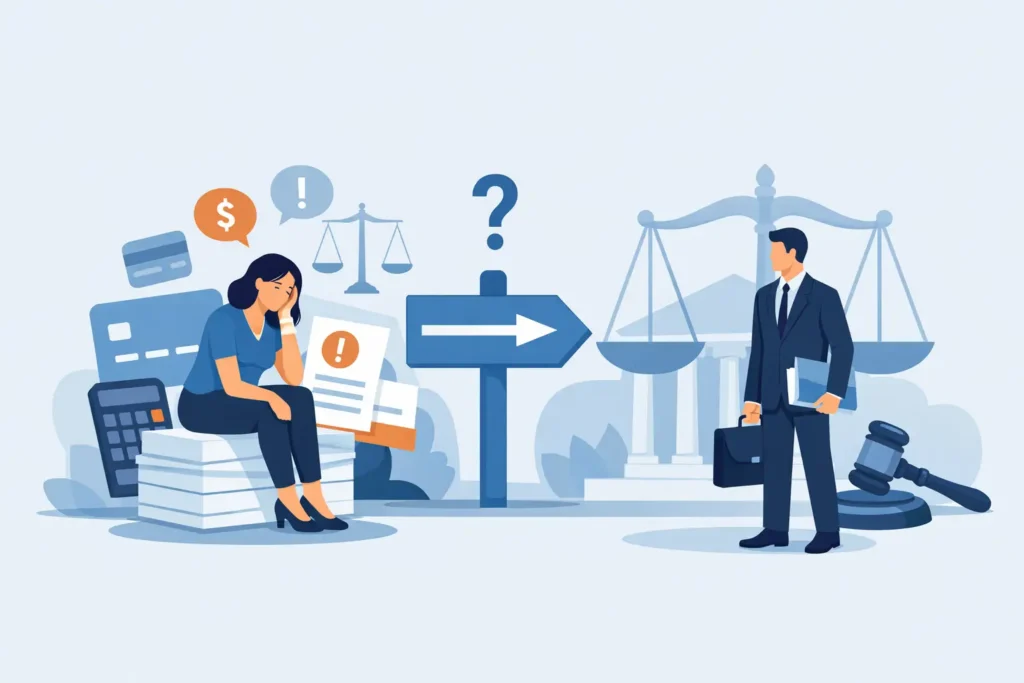
A collection notice can feel urgent. A court summons, frozen bank account, or call from a collector at work can feel like a crisis. If you are asking, do I need a debt attorney, the answer usually depends less on the total amount you owe and more on what is happening next.
Some debt problems can be handled with a budget, a payment plan, or direct negotiation. Others carry legal deadlines and consequences that are hard to undo after the fact. A debt attorney can help you understand your position, respond correctly, and choose a path that protects as much of your income, property, and peace of mind as possible.
When Do I Need a Debt Attorney?
You do not need to hire an attorney every time you receive a collection letter. But you should strongly consider one when a creditor, debt buyer, or collection agency has moved beyond routine calls and letters.
A lawsuit is the clearest example. If you receive a summons or complaint, do not ignore it because you believe the debt is valid, the amount is too small to fight, or you cannot afford to pay it all at once. Failing to respond can allow the creditor to seek a default judgment. Depending on your state and circumstances, a judgment may lead to wage garnishment, a bank levy, or a lien against certain property.
An attorney can review the complaint, identify the response deadline, and assess whether the party suing you can prove it owns the debt and has the right records. Debt buyers often purchase accounts in large batches. The paperwork may be incomplete, the amount claimed may be wrong, or the claim may be too old to enforce in court.
Legal help also makes sense if you have been served with papers you do not understand, a collector is threatening action that seems improper, or you are facing several debts at once. The goal is not always to fight every account. It is to make an informed choice before a creditor makes one for you.
Signs the situation has become urgent
Move quickly when you receive court documents, notice that wages may be garnished, notice of a bank levy, foreclosure papers, repossession threats, or an eviction notice tied to unpaid rent. These situations can have short deadlines. Waiting until the last day may limit your options, even if you have a valid defense.
You may also need legal guidance if a collector contacts you repeatedly after you have asked them to stop, discusses your debt with other people, uses threats or abusive language, or tries to collect an amount you do not recognize. Federal and state consumer protection laws may apply, but the facts matter. Save voicemails, letters, screenshots, payment records, and the dates of calls.
What a Debt Attorney Can Actually Do
A debt attorney is not simply someone who tells you to pay less. Their work can range from defending a lawsuit to helping you evaluate bankruptcy, negotiate a settlement, or challenge unlawful collection conduct.
In a collection case, an attorney may file an answer, request documents, negotiate with opposing counsel, appear in court, or seek dismissal when the creditor cannot support its claim. If settlement is the right route, they can help you compare the proposed terms with the risks of litigation. A settlement should be in writing and clear about the balance, payment schedule, and whether the account will be considered resolved.
If your financial problems are broader than one account, a lawyer can explain whether bankruptcy is worth considering. Bankruptcy is a serious decision, but it is also a legal tool designed to give eligible people a structured way to deal with overwhelming debt. It may pause collection activity and address qualifying unsecured debts, while requiring close attention to income, assets, recent payments, and the type of debt involved.
An attorney can also explain the difference between debt that is unpleasant and debt that is legally dangerous. Medical bills, credit cards, personal loans, tax debt, child support, student loans, and secured debts do not follow identical rules. For example, falling behind on a credit card is different from falling behind on a car loan where the lender may have rights to repossess the vehicle.
When You May Not Need a Lawyer Yet
There are times when hiring a debt attorney may not be the first step. If your accounts are current but your monthly payments are becoming unmanageable, start by reviewing your budget and contacting creditors before you miss payments. Some lenders offer hardship arrangements, reduced interest, or temporary payment options.
If you have a single small balance, no lawsuit, and enough income to pay it within a reasonable period, you may be able to negotiate directly. Ask for all terms in writing before sending money, especially if a collector offers a discounted payoff. Never give bank account access just because someone pressures you to act immediately.
Nonprofit credit counseling can be another option for people with steady income and primarily credit card debt. A debt management plan may simplify payments and reduce interest, but it does not solve every problem. It may not be appropriate when you are being sued, have tax debt, face repossession, or cannot realistically make the proposed monthly payment.
The key question is whether the problem is manageable or escalating. If your plan depends on skipping rent, utilities, food, insurance, or necessary medication, it is probably time to get a professional opinion.
How to Decide if the Cost Is Worth It
Legal fees matter, especially when money is already tight. Before hiring anyone, ask what services are included, whether the fee is flat or hourly, and what additional costs could arise. Ask whether the attorney handles your type of debt regularly and what they need from you before giving advice.
The value of legal help is not measured only by how much debt disappears. It can include preventing a default judgment, avoiding a costly mistake, stopping improper collection activity, protecting exempt funds, or creating a realistic strategy for several creditors. In some cases, a short consultation may be enough to clarify your next move. In others, representation through a lawsuit or bankruptcy case may be worth the investment.
Be cautious with companies that guarantee they can erase debt, tell you to stop communicating with creditors without explaining the risks, or demand large upfront fees before they explain their process. Debt relief is not one-size-fits-all. A trustworthy professional should be direct about what they can do, what they cannot promise, and what could happen if you do nothing.
Prepare Before You Contact a Debt Professional
A focused conversation starts with organized information. Gather the collection letters or court papers, the name of each creditor or collector, current balances, payment history, recent account statements, and any messages that concern you. If you were served with a lawsuit, bring every page and note the date and method of service.
Also make a simple list of your monthly income, essential expenses, assets, and other debts. You do not need a perfect spreadsheet. An honest snapshot helps a professional identify whether you are dealing with a temporary cash-flow problem, a collection defense issue, or a larger financial reset.
When traditional search results feel overwhelming, use a category-based directory to narrow the field to debt and consumer-law professionals serving your area. A direct path to a qualified local specialist can save time when deadlines are already running.
You do not have to wait for a financial situation to become unbearable before asking for help. If legal papers have arrived, collection pressure is crossing a line, or your debt plan no longer adds up, get clear advice now and give yourself more choices later.