
When to Call a Wage Garnishment Defense Attorney
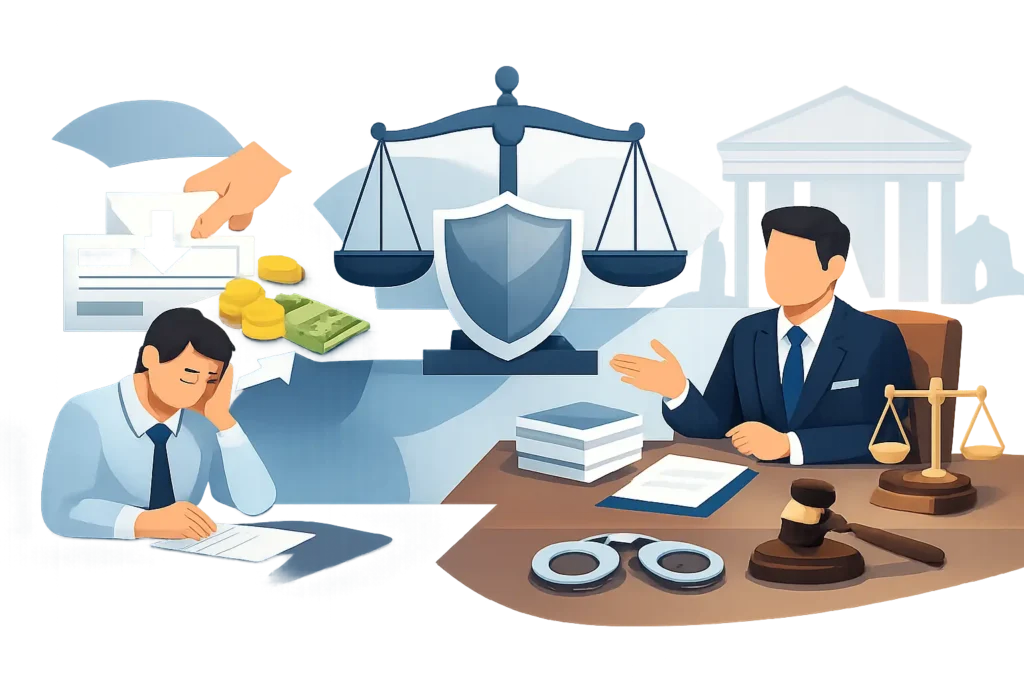
Your paycheck is supposed to cover rent, groceries, transportation, and the bills already waiting at home. Seeing a court-ordered deduction on it can feel like the ground moved under you. A wage garnishment defense attorney helps people understand why money is being withheld, whether the creditor followed the required process, and what options may still be available.
The most useful time to get help is not necessarily after the first reduced paycheck arrives. A garnishment often begins with earlier notices, a lawsuit, a judgment, or a government collection letter. Those documents can be easy to miss during a stressful week, but deadlines matter. Quick, organized action can preserve choices that become harder to use once money is already leaving your wages.
What wage garnishment means
Wage garnishment is a legal collection process that directs an employer to withhold part of an employee’s earnings and send it to a creditor, government agency, or another party. The source of the debt changes the rules. Consumer credit card debt, medical bills, unpaid taxes, federal student loans, child support, and spousal support do not all follow the same procedures or limits.
For many ordinary consumer debts, a creditor must first sue, obtain a judgment, and then seek a garnishment order. But exceptions exist. Tax agencies and some federal creditors may have administrative collection authority, and family-support orders can operate under different standards.
That distinction is more than technical. The letter you received, the court that issued an order, and the type of income you earn can all shape the right response. Do not assume that every garnishment can be handled with the same form or a single phone call.
When a wage garnishment defense attorney can help
A lawyer is especially useful when you do not recognize the debt, never received notice of a lawsuit, believe the amount is wrong, or have income that may be protected. The goal is not to make promises that every garnishment will disappear. It is to identify the actual legal and financial path in front of you.
A wage garnishment defense attorney may review whether the creditor named the right person, served the lawsuit properly, calculated the balance correctly, or complied with state and federal collection rules. If a judgment was entered without your knowledge, there may be a way to ask the court to review it. Whether that is possible depends on the facts, the court rules, and how much time has passed.
Help can also be valuable when several pressures are arriving at once. Someone facing a garnishment may also be dealing with bank levies, collection calls, tax notices, or past-due support. A qualified attorney can explain which issue needs attention first and whether one strategy affects another.
Act on the notice, not just the paycheck
Many people wait because they assume their employer has already made the decision. Usually, the employer is following a legal notice and has limited discretion. The meaningful dispute is often with the creditor, agency, or court behind the instruction.
Read every page you receive and keep the envelope, emails, payroll notices, and court papers together. Look for the creditor’s name, case number, issuing court or agency, amount claimed, and any hearing or objection deadline. If you cannot tell what a document means, that is a strong reason to speak with a professional promptly.
Do not ignore a notice simply because the debt is old. Old debt may raise valid questions, but it does not automatically mean a judgment or collection order is invalid. Likewise, making a partial payment without understanding the paperwork can sometimes complicate the record. The right choice depends on the debt type and your situation.
Common defenses and relief options
There is no single defense that fits every case. Still, an attorney may evaluate several practical possibilities.
Incorrect debt or balance. Collection accounts are sometimes sold, transferred, or reported with incomplete records. A person may have already paid the debt, settled it, been charged the wrong amount, or been confused with another consumer. Documentation matters here: receipts, settlement letters, account statements, and prior correspondence can be useful.
Improper notice or court procedure. For a private creditor, the lawsuit and judgment process must generally follow applicable court rules. If you were not properly served or had no reasonable opportunity to respond, a lawyer can assess whether there is a basis to challenge the judgment or garnishment. The facts and timing are critical.
Exempt earnings or protected income. Federal law limits how much of many workers’ disposable earnings can be garnished for ordinary debts. State law may provide additional protections, and Florida has specific protections that can matter for certain heads of household. Social Security benefits, veterans benefits, and some other funds may have special protections, although how those protections apply can vary depending on where the money is held and the type of debt.
Financial hardship and negotiated resolution. A defense does not always mean fighting in court. In some cases, a payment arrangement, settlement, or other negotiated resolution may be the most realistic option. That can reduce uncertainty, but it should be evaluated carefully. A settlement payment must fit your actual budget, and any agreement should clearly address what happens to the garnishment and remaining balance.
Bankruptcy considerations. Bankruptcy may stop many collection actions through an automatic stay, but it is a serious financial and legal decision, not a quick fix. Certain obligations, including many support-related debts, are treated differently. A bankruptcy attorney can explain eligibility, consequences, costs, and alternatives before you decide.
What to bring to an attorney consultation
You do not need a perfectly organized file to ask for help. Bring what you have: the garnishment notice, recent pay stubs, the lawsuit or judgment papers if available, collection letters, and records showing payments or disputes. If your income supports children or other dependents, or if you receive benefits in addition to wages, mention that early.
Be direct about the facts that feel uncomfortable. Say whether you moved, missed court mail, made a payment agreement, co-signed an account, or received prior notices. Attorneys can give better guidance when they see the complete picture rather than a carefully edited version of it.
You should also ask practical questions. Is there an immediate deadline? What is the likely scope of representation? Can the attorney review the court file? What documents should you obtain from payroll or the creditor? A clear answer to those questions helps you compare legal services based on fit, not panic.
Finding the right kind of help
A general internet search can produce a confusing mix of debt settlement companies, credit repair ads, and lawyers who handle unrelated matters. Look for a professional whose practice clearly includes consumer debt defense, creditor defense, collection judgments, bankruptcy, tax controversy, or the specific debt category involved.
If you are dealing with an IRS levy or another tax collection issue, tax resolution experience may be more relevant than general consumer debt experience. If the withholding involves child support or alimony, family law experience can be essential. The best match depends on who is collecting and what authority they are using.
A structured professional directory can make that search easier by organizing specialists by service category and location. On dwai.com, consumers can focus on the professional area that fits the problem instead of sorting through broad search results when time is limited.
Protect your next step
A garnishment notice is serious, but it is not a reason to freeze. Gather the documents, confirm the deadline, and get advice that matches the type of debt involved. The earlier you understand your position, the more clearly you can decide whether to challenge the order, claim an exemption, negotiate, or pursue another solution that protects your household.