
What Does a Criminal Defense Lawyer Do?
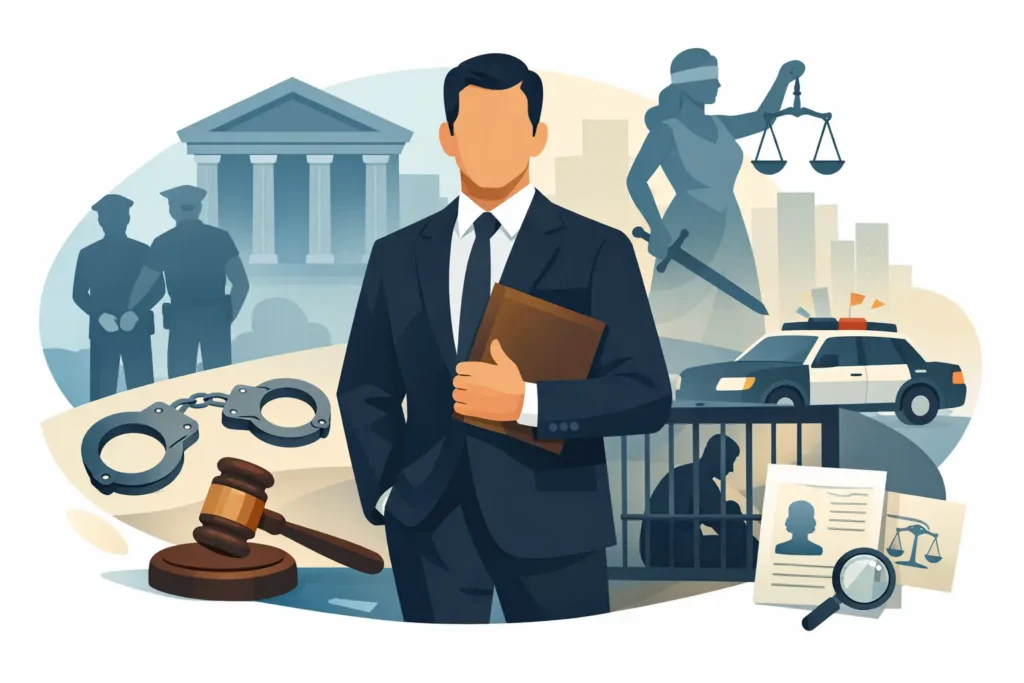
An arrest can make everything feel urgent at once. You may be worried about jail, your job, your driver’s license, your family, or what happens if the charge stays on your record. If you’re asking what does a criminal defense lawyer do, the short answer is this: they protect your rights, explain your options, and work to get the best possible outcome at every stage of a criminal case.
That work starts earlier than many people realize. A criminal defense lawyer does not just show up in court and argue with the prosecutor. They step in to manage risk, challenge weak evidence, handle communication, and help you avoid mistakes that can make a bad situation worse.
What does a criminal defense lawyer do at the start of a case?
The first job is often damage control. After an arrest, citation, warrant, or even a call from law enforcement, a defense lawyer helps you understand what you are facing and what to do next. That can include arranging surrender on a warrant, preparing for an arraignment, or advising you not to answer questions without counsel.
This early stage matters because small decisions can have lasting effects. A person may think they can explain everything away in one interview, consent to a search to seem cooperative, or post about the case online. A criminal defense lawyer helps prevent those errors. They look at the charge, the facts known so far, your criminal history if any, and the local court process. Then they begin building a strategy.
In many cases, they also address immediate practical concerns. That might mean arguing for release, lower bail, or non-cash conditions so you can keep working and supporting your family while the case moves forward.
Protecting your rights is not a side task
One of the most important parts of criminal defense is making sure the government follows the law. Police and prosecutors have broad power, but that power has limits. A defense lawyer looks closely at whether a stop was legal, whether a search violated the Fourth Amendment, whether statements were obtained properly, and whether identification procedures were reliable.
This is not about technicalities in the casual sense people sometimes use. Rules about searches, questioning, and evidence exist because criminal charges can lead to jail, fines, probation, immigration consequences, and long-term harm to your record. If your rights were violated, that can change the direction of the case.
Sometimes the result is suppression of evidence. Sometimes it gives the defense leverage in negotiation. Sometimes it exposes a weak case that should never have been filed as charged.
Case investigation and evidence review
A criminal defense lawyer reviews what the prosecution has and what may be missing. That usually includes police reports, body camera footage, witness statements, lab results, phone records, surveillance video, and prior records that may affect the case.
But reviewing the state’s evidence is only part of the job. Defense lawyers often conduct their own investigation. They may interview witnesses, visit the scene, gather documents, preserve text messages, or consult experts. In DUI cases, that could mean examining the stop, field sobriety testing, and breath or blood results. In assault cases, it may involve self-defense evidence, injuries, or conflicting witness accounts. In theft or fraud cases, the timeline and records can be everything.
This part of the work is highly fact-specific. Two people charged under the same statute may need completely different defenses because the evidence, background, and goals are different.
A criminal defense lawyer helps you understand your options
Criminal cases involve choices, and those choices are rarely simple. Should you fight the case at trial? Should you accept a plea if it reduces the charge? Is diversion available? Would pleading guilty create problems for immigration status, licensing, housing, or future employment?
A good defense lawyer does not make the decision for you, but they help you make an informed one. They explain the likely outcomes, the strengths and weaknesses of the evidence, and the practical trade-offs. That matters because the best legal result on paper is not always the best real-world result for the person living with it.
For example, one client may care most about avoiding jail. Another may need to protect a professional license. Another may be focused on keeping a conviction off their record. The defense strategy should reflect those priorities.
Negotiating with prosecutors
Many criminal cases are resolved without trial, but that does not mean the defense lawyer is simply asking for mercy. Negotiation is part legal analysis, part timing, and part credibility. A defense lawyer may push for dismissal, reduced charges, diversion, deferred adjudication, treatment-based resolutions, or a sentencing recommendation that avoids custody.
The strength of those negotiations often depends on preparation. If the prosecutor knows the defense has identified problems with the stop, witness reliability, chain of custody, or proof of intent, the bargaining position changes. If the lawyer can present mitigation such as treatment progress, employment history, military service, or lack of prior convictions, that can also matter.
Still, it depends on the case, the jurisdiction, and the prosecutor’s office. Some cases are highly negotiable. Others are not. A trustworthy lawyer should be honest about that.
Going to court and handling the process
Court appearances are the visible part of criminal defense, but they are only one part. A defense lawyer handles arraignments, bond hearings, pretrial motions, status conferences, evidentiary hearings, plea hearings, trials, and sentencing. They file motions, challenge evidence, question witnesses, and preserve issues for appeal if needed.
They also translate the process into plain English. For many people, the court system feels confusing by design. Deadlines, local rules, and legal language can make it hard to know what is happening. A criminal defense lawyer helps you stay informed, prepared, and realistic about timing.
That kind of guidance is not minor. Missing a court date, violating bond conditions, contacting a complaining witness when told not to, or failing a drug test while on release can seriously damage a case. Having a lawyer means having someone focused on both the legal issues and the practical rules that affect the outcome.
Trial defense when a case cannot be resolved
If the state will not offer a fair resolution, a criminal defense lawyer prepares for trial. That means selecting a jury, cross-examining prosecution witnesses, objecting to improper evidence, presenting defense witnesses, and arguing why the government has not proved guilt beyond a reasonable doubt.
Trials are not common in every case, but trial readiness matters even when a case settles. Prosecutors often evaluate a file differently when they know the defense is prepared to challenge the case in front of a jury.
That said, trial is not automatically the right move. It can bring higher risk if the evidence is strong and the plea offer is favorable. This is one of the clearest examples of why criminal defense is not one-size-fits-all.
Sentencing, records, and what happens after court
A criminal defense lawyer’s work may continue after a plea or verdict. At sentencing, they can present mitigation, argue for alternatives to incarceration, and address probation terms, fines, treatment requirements, or community service.
They may also help with record-related options where state law allows, such as expungement, sealing, or other post-case remedies. Not every charge qualifies, and eligibility can depend on how the case ended, but these issues matter because the impact of a criminal case often lasts longer than the court date itself.
In some situations, the lawyer may handle probation violations, appeals, or motions to modify conditions. The point is simple: criminal defense is not just about the charge. It is about limiting the long-term damage.
When should you contact a criminal defense lawyer?
The safest answer is as early as possible. You do not need to wait until formal charges are filed. If police want to question you, if you learn there is a warrant, if you were arrested and released, or if someone says they plan to press charges, early legal advice can make a real difference.
Fast action does not guarantee a better outcome, but delay can remove options. Witnesses disappear, video gets deleted, and people say things they cannot take back. Early representation gives your defense a better chance to preserve facts and control the process.
If you’re looking for help, platforms like dwai.com can make it easier to connect with a criminal defense lawyer based on the type of case you’re dealing with and the urgency of your situation.
The right lawyer cannot promise a result, and any honest one will tell you that. What they can do is stand between you and a system that moves fast, speaks its own language, and carries serious consequences. When the stakes are your record, freedom, and future, having the right defense is not about appearances. It is about getting organized, getting informed, and getting help before the case starts making decisions for you.