
How to File a Consumer Complaint
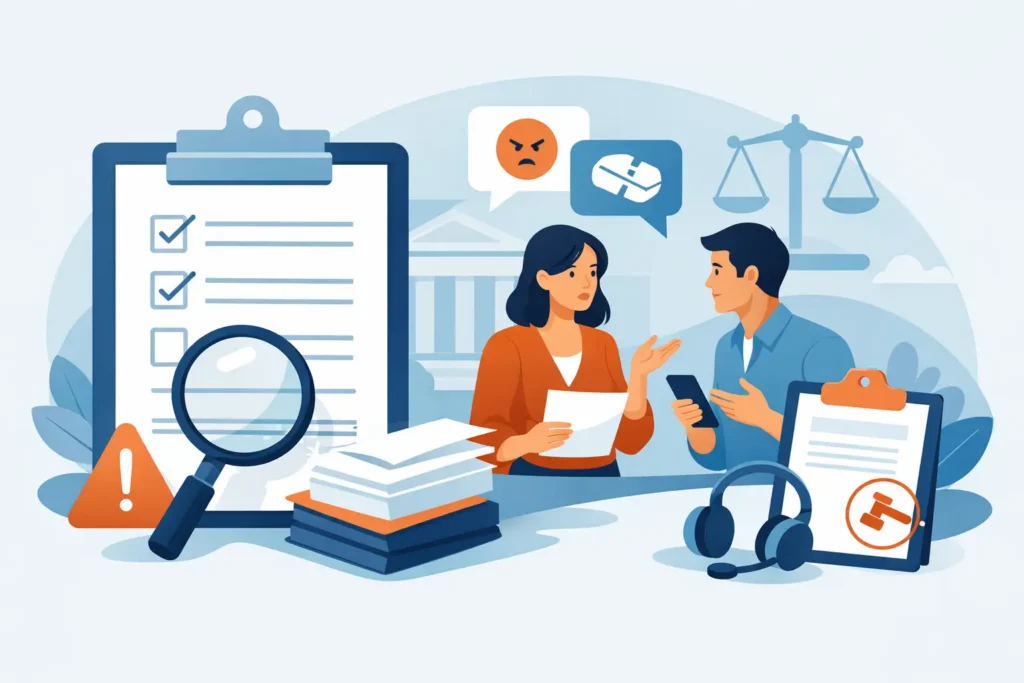
You paid for a product or service, something went wrong, and now you are getting ignored, bounced between departments, or told the problem is not theirs. That is usually the moment people start searching for how to file a consumer complaint. The good news is that the process is often more straightforward than it feels at first – if you approach it in the right order.
A consumer complaint is not just a way to vent frustration. It is a formal record that tells a business, regulator, or enforcement agency what happened, what harm you experienced, and what you want done about it. When handled well, it can lead to a refund, account correction, contract cancellation, repair, replacement, or a stronger case if the dispute grows into something more serious.
How to file a consumer complaint the right way
The biggest mistake people make is filing too fast with too little documentation. A complaint has more weight when it is specific, organized, and backed by records. Before you contact anyone, pause long enough to gather the facts.
Start with the basics: receipts, invoices, contracts, warranties, screenshots, order confirmations, bank or credit card statements, emails, text messages, and notes from phone calls. If the issue involves a defective product, take clear photos or videos. If it involves misleading advertising, save the ad exactly as it appeared. If a company representative made promises, write down the date, time, name, and what was said.
Then write a short timeline. Keep it simple. What did you buy, when did you buy it, what went wrong, how did the business respond, and what result are you asking for now? That timeline will help you stay consistent whether you speak with customer service, a government agency, your bank, or an attorney.
Start with the business itself
In many cases, the fastest path is still the company. That may sound obvious, but it matters how you do it. A vague complaint like “your service is terrible” is easy to ignore. A clear request tied to facts is harder to dismiss.
Contact the business in writing if possible. Explain the problem in a few direct sentences, attach supporting documents, and state exactly what you want. That might be a refund, cancellation without penalty, correction of a bill, delivery of promised goods, or reimbursement for unauthorized charges. Give a reasonable deadline for a response.
This first step matters for another reason: if you later file with a regulator, credit card issuer, or court, you may be asked whether you gave the business a chance to fix the issue. Showing that you did can strengthen your position.
There is a trade-off here. Some companies resolve complaints quickly through internal support channels. Others delay, deny, or keep transferring the issue. If you are facing fraud, identity theft, repeated unauthorized withdrawals, or a deadline that could affect your rights, do not wait too long for a polite response.
Know where to file based on the problem
Not every consumer complaint goes to the same place. The right destination depends on the type of issue.
If the dispute involves billing errors, unauthorized charges, or a merchant refusing to honor a transaction, your bank or credit card issuer may be the right next step. Payment disputes often have strict time limits, so speed matters.
If the issue is deceptive business practices, false advertising, scam activity, unfair collections, or a company operating in a regulated field, a state attorney general’s office or consumer protection agency may be appropriate. State agencies often handle patterns of misconduct affecting multiple consumers.
If the complaint involves a lender, credit reporting issue, debt collector, or financial product, a federal consumer regulator may be relevant. If it concerns a home improvement contractor, insurance company, auto dealer, landlord-tenant matter, or licensed professional, a state licensing board or local regulator may have authority.
That is where many people lose time. They know they were wronged, but they file in the wrong place. If the issue is high-stakes, legally complicated, or tied to a contract, professional guidance can save time and reduce missteps.
What to include in a strong complaint
A good complaint reads more like a clear case file than an emotional statement. You do not need legal language. You do need precision.
Identify the business by its full name, location, website, and any account or order number. State the product or service involved, the amount of money at issue, and the date of the transaction. Describe what happened in chronological order, attach proof, and explain what you already did to resolve it.
Most important, say what outcome you want. Agencies and companies are far more likely to process a complaint efficiently when your requested resolution is concrete. “Make this right” is weak. “Refund the $1,249 charge,” “remove the late fee,” or “cancel the contract without an early termination penalty” gives the reader something actionable.
Keep your tone steady. You can be firm without being hostile. Angry language may feel justified, but it rarely improves results.
Sample structure for your complaint
You can frame it in four parts: what you purchased, what went wrong, what evidence supports your position, and what remedy you want. That structure works whether you are emailing a merchant, submitting an online form, or sending a written complaint to an agency.
Timing matters more than people think
Some consumer rights depend on deadlines. Chargebacks, fraud reports, warranty claims, debt disputes, lease issues, and certain cancellation rights may all have time windows. Miss them, and your leverage may shrink.
That does not mean every complaint is urgent in the same way. A damaged appliance and a fraudulent debt collection letter are both consumer problems, but the risk level is different. If a complaint affects your credit, your bank account, your housing, your ability to work, or your legal rights, treat it as time-sensitive.
When money is still moving – for example, recurring charges, automatic debits, collection calls, or ongoing contract fees – act quickly. Waiting while hoping the business will “eventually do the right thing” can make the problem more expensive.
When a consumer complaint may not be enough
A complaint process can help, but it is not a cure-all. Some businesses simply do not cooperate. Some disputes turn on detailed contract language, arbitration clauses, licensing rules, or state-specific consumer protection laws. Others involve enough financial harm that a simple complaint form is no longer the best tool.
That is often the turning point between a routine complaint and a matter that needs professional help. If you are dealing with a large financial loss, suspected fraud, identity theft, a predatory contract, repeated harassment, or a business that retaliates after you complain, it may be time to speak with a consumer protection attorney or another qualified professional.
The same is true if the issue overlaps with debt problems, bankruptcy concerns, tax trouble, real estate disputes, or another legal area. Consumer issues do not always stay neatly contained. One billing dispute can become a collections problem. One bad contract can affect your credit or trigger legal threats.
How to file a consumer complaint without hurting your case
People sometimes weaken their position by posting everything online before they document it properly. Public reviews have their place, but they are not a substitute for a formal complaint. If anything, they can distract from the evidence trail you actually need.
Another common mistake is sending incomplete records. If you mention a contract, attach it. If you mention a promise in writing, include the screenshot or email. If you had three calls with customer service, list the dates and names if you have them. The easier you make it for someone to verify your claim, the better.
Also be careful about accepting partial fixes without reading the terms. A credit, settlement, cancellation offer, or refund may come with conditions. Sometimes that is fine. Sometimes it means giving up rights you did not realize you had. If the language is confusing or the amount at stake is significant, get advice before agreeing.
Getting help when the process stalls
If you are stuck, the next best move is often not more guessing – it is finding the right category of help. Some problems belong with a regulator. Some belong with a dispute department at your bank. Some belong with a lawyer who handles consumer protection, debt, fraud, contract disputes, or related claims.
For people facing more than a simple customer service issue, organized access to the right type of professional matters. A marketplace like dwai.com can help narrow that search when the complaint overlaps with legal, debt, tax, or other high-pressure problems and you need a clearer path forward.
A consumer complaint works best when it is timely, documented, and directed to the right place. If the business will fix the problem, great. If not, a well-built complaint creates a record – and that record can be the thing that helps you protect your money, your rights, and your next step.