
What Are Fair Debt Collection Rights in the U.S.?
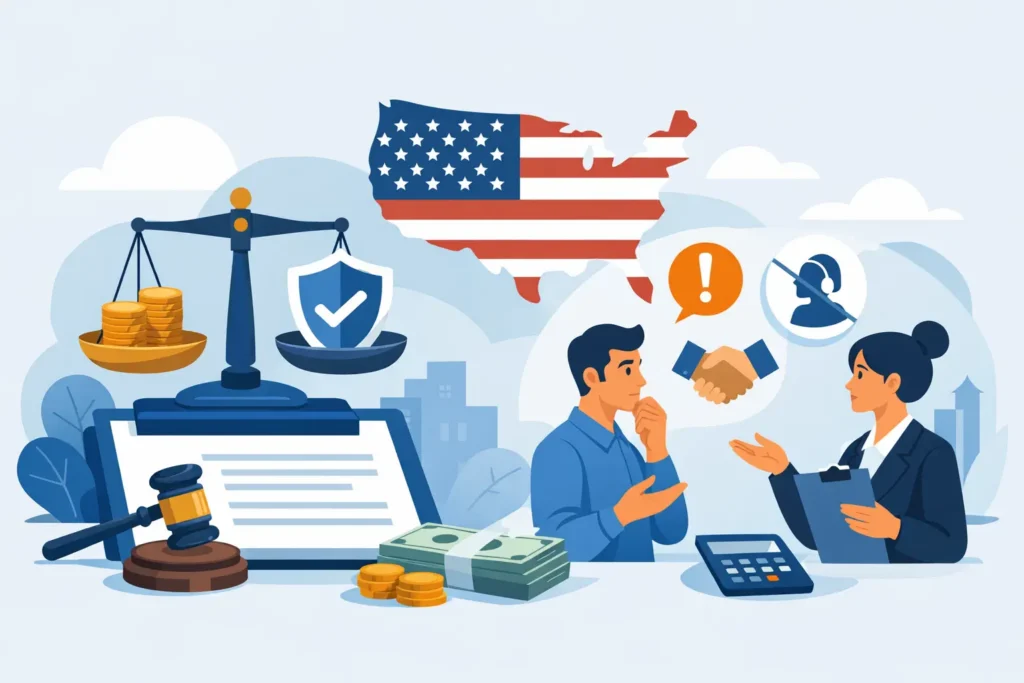
A collection call can feel urgent, especially when the caller uses deadlines, legal-sounding language, or pressure to pay immediately. But owing a debt does not mean you lose control of the conversation. What are fair debt collection rights? They are the federal and state protections that limit how many debt collectors can contact you, what they may say, and how you can challenge a debt you do not recognize or believe is wrong.
These rights are not a way to ignore a real financial problem. They are a way to make sure the problem is handled fairly, with accurate information and without intimidation. Knowing the difference can help you decide whether to pay, negotiate, dispute, seek legal advice, or take another resolution path.
What Are Fair Debt Collection Rights?
For many consumer debts, the main federal protection is the Fair Debt Collection Practices Act, often called the FDCPA. It generally applies to third-party debt collectors – businesses collecting a debt for someone else, debt buyers collecting purchased accounts, and many collection law firms.
The law does not usually apply in the same way when the original creditor is collecting its own account. A credit card company calling about its own unpaid balance, for example, may not be covered by every FDCPA rule. Still, other consumer protection laws and state rules may apply. Florida residents may also have protections under state law that reach beyond federal rules in certain situations.
The details matter. Whether a caller is the original creditor, a collection agency, a debt buyer, or a law firm can affect your options. Before agreeing to a payment or providing personal information, find out exactly who is contacting you and which account they claim to represent.
Collectors Cannot Use Harassment or Deception
A legitimate collector may contact you about a valid debt. That does not give them permission to frighten, shame, or mislead you into paying.
Under federal law, collectors generally cannot threaten violence, use obscene or abusive language, falsely claim to be attorneys or government representatives, or threaten an arrest for unpaid consumer debt. They also cannot claim that legal action has already been filed when it has not, or threaten a lawsuit they do not actually intend or have legal grounds to pursue.
Repeated calls designed to harass are also a warning sign. There is no magic number of calls that automatically proves a violation, but a pattern of calls intended to wear you down may be unlawful. Federal rules also restrict calls at unusual or inconvenient times. In most cases, collectors should not call before 8 a.m. or after 9 p.m. in your local time unless you agree.
A collector may contact other people to locate you, but they generally cannot disclose your debt to them. They should not tell your employer, relatives, neighbors, or friends that you owe money. If they contact a third party, they are typically limited in what they can ask and say.
You Have a Right to Know What You Owe
One of the most useful fair debt collection rights is the right to receive information about the claimed debt. Early in the collection process, a collector generally must provide a written validation notice. This notice should identify the creditor, state the amount claimed, and explain your right to dispute the debt.
Read this notice carefully. Compare the creditor name, account information, balance, and dates against your own records. Collection accounts can be inaccurate because of identity theft, mixed files, payments that were not credited, incorrect fees, or a debt that was sold more than once.
Do not assume a caller is legitimate because they know your name, address, or part of an account number. Scammers often have enough personal information to sound convincing. Ask for the company name, mailing address, phone number, original creditor, and account reference number. Then review the written notice before making decisions.
How to Dispute a Debt
If you believe the debt is not yours, the amount is wrong, or the collector lacks enough information to support the claim, dispute it in writing. Federal law gives consumers a short window after receiving the validation notice to dispute and request verification. Acting quickly is usually the safest approach.
Keep your letter direct: state that you dispute the debt, identify the account or reference number, and request verification. Send it in a way that creates a record of delivery, and keep copies of everything you send and receive.
Once a timely written dispute is received, the collector generally must pause collection efforts until it sends verification. Verification is not always a complete file of every original document, but it should provide enough information to substantiate the claim. If the response does not resolve the issue, consider speaking with a consumer law attorney or another qualified debt-resolution professional before making a payment.
You Can Set Boundaries for Contact
Debt collection rights include meaningful control over how communications happen. You can tell a collector that a particular time or place is inconvenient. For example, if your employer does not allow personal calls, tell the collector not to call you at work. Once they know such calls are prohibited, they generally should stop.
You may also ask a collector to stop contacting you altogether by sending a written cease-communication request. This can provide breathing room, but it comes with a trade-off. Stopping calls and letters does not erase the debt, stop interest where permitted, or prevent a collector from filing a lawsuit if it has the right to do so. After receiving your request, a collector may still contact you to confirm it will stop communicating or to notify you of a specific action, such as a lawsuit.
For some people, limiting calls while keeping written communication open is more practical. Written records make it easier to track the claim, compare settlement terms, and show what was said if a dispute arises.
A Lawsuit Requires a Real Response
Collection lawsuits create a different level of risk. Ignore a summons or court complaint, and the collector may be able to obtain a default judgment without hearing your side. Depending on state law and your circumstances, a judgment can lead to collection efforts against wages, bank accounts, or nonexempt property.
Receiving court papers does not mean the collector is automatically right. The debt may be too old to sue on, the amount may be inaccurate, the plaintiff may not be able to prove it owns the account, or there may be another defense. But those issues usually must be raised in court on time.
Save the envelope and note the date you received the papers. Court deadlines can be short. If the amount is significant, the facts are unclear, or you are facing wage or bank-account action, seek qualified legal guidance promptly. A consumer attorney can assess the claim, explain local rules, and help you understand whether settlement, defense, bankruptcy, or another strategy fits your situation.
Be Careful With Payments and Settlements
Paying something may feel like the fastest way to end the stress, but get the terms in writing first. Ask whether the payment resolves the account in full, whether additional fees or interest may be added, and how the account will be reported if credit reporting is involved.
A partial payment or an informal promise to pay can have consequences, particularly with older debts. In some states, it may affect the time period for filing a lawsuit. Do not rely on a verbal offer from a collector. If you negotiate a settlement, request a written agreement that clearly states the total settlement amount, payment dates, and that the remaining balance will be forgiven once the agreement is completed.
Be especially cautious with anyone demanding payment by gift card, cryptocurrency, wire transfer, or a method that cannot easily be traced. Those demands are common scam signals. A real debt may still be involved, but you should verify the collector independently before sending money.
Build a Record Before the Pressure Builds
A simple paper trail can protect you. Keep a call log with dates, times, the caller’s name, company, phone number, and a brief description of the conversation. Save voicemails, letters, emails, payment receipts, and screenshots. If you receive threatening or misleading messages, preserve the exact language.
You can report suspected unlawful collection conduct to the Consumer Financial Protection Bureau, the Federal Trade Commission, your state attorney general, or an attorney who handles consumer protection matters. Reporting does not always solve an individual account immediately, but it can create accountability and may help stop broader abusive practices.
Debt problems are often tied to job loss, medical bills, divorce, identity theft, or a period when expenses simply outran income. You do not need to sort through every legal and financial question alone. When online searching produces conflicting answers, DWAI can help organize your next step by connecting you with professionals in debt, bankruptcy, consumer protection, and related categories.
Take the next call seriously, but do not let it rush you into a decision. Ask for written information, protect your records, respond to court papers, and get focused help when the debt or the collector’s conduct does not make sense.