
Consumer Rights After Debt Harassment
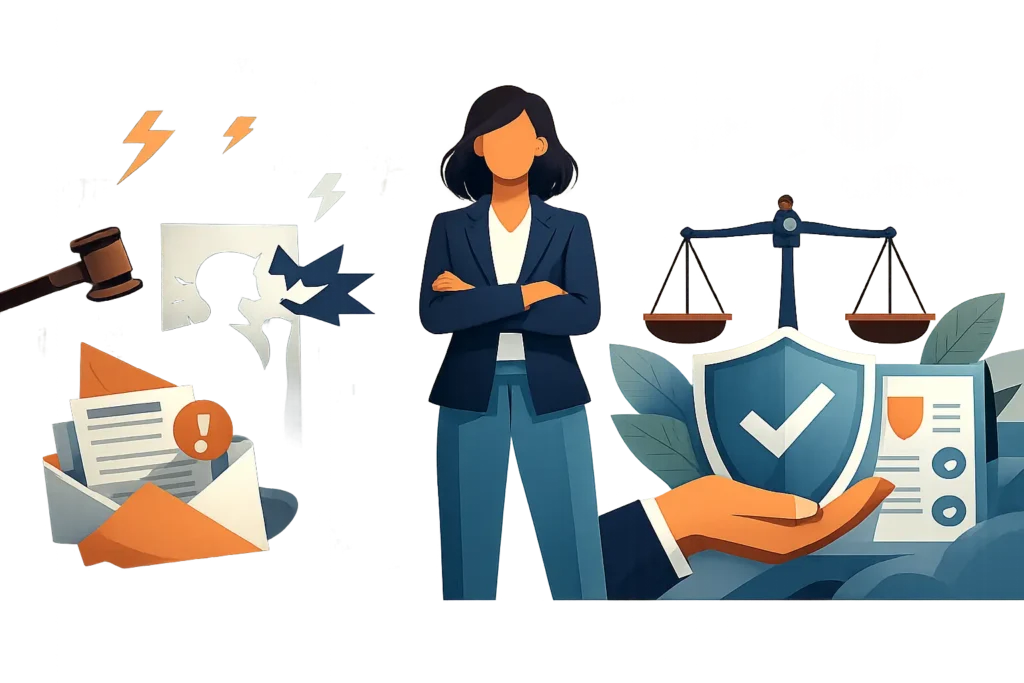
When your phone will not stop ringing, the pressure can feel bigger than the debt itself. Knowing your consumer rights after debt harassment can help you slow the situation down, protect your money, and make better decisions about what to do next.
Debt collectors are allowed to try to collect legitimate debts. They are not allowed to scare, shame, threaten, or wear you down into payment through illegal tactics. That line matters. Many people assume that if they owe money, they have to tolerate any kind of contact. They do not.
What counts as debt harassment?
Not every collection call is harassment. A collector can contact you about an unpaid account, ask for payment, and try to discuss options. Problems start when the contact crosses into intimidation, deception, or repeated pressure meant to disrupt your daily life.
Harassment can include repeated calls intended to annoy you, calls very early in the morning or late at night, profanity, threats of violence, or public shaming. It can also include false claims, such as saying you will be arrested over a consumer debt, pretending to be a government official, or threatening legal action they do not actually intend or have the right to take.
Some tactics fall into a gray area at first. For example, a collector may call several times in one week while trying to reach you. That alone is not always illegal. But if the pattern becomes excessive, continues after you ask for limits in writing, or is paired with threatening language, the situation may shift from collection activity to harassment.
Consumer rights after debt harassment: what the law generally protects
For many consumers, the main federal protection is the Fair Debt Collection Practices Act, often called the FDCPA. This law limits how third-party debt collectors can communicate with you. It does not erase a valid debt, but it does set rules for how collection must happen.
In general, debt collectors cannot call before 8 a.m. or after 9 p.m. unless you agree to it. They cannot contact you at work if you tell them your employer does not allow those calls. They cannot discuss your debt with most other people, except in narrow situations such as locating you. Even then, they are not supposed to broadcast that you owe money.
They also cannot use abusive language, make repeated calls to harass you, or lie about who they are. If a collector tells you that nonpayment will automatically lead to jail, that is a major red flag in most consumer debt cases. Owing a debt is usually a civil matter, not a criminal one.
You also have the right to request information about the debt. If you are contacted by a collector, you can ask for validation of what is owed and who currently owns the account. This is especially important if the debt is old, sold multiple times, or does not look familiar.
What to do first if a collector crosses the line
Start by documenting everything. Save voicemails, screenshots, letters, emails, and call logs. Write down dates, times, names, company names, and what was said. If a collector used threatening or false language, record the exact words as soon as possible while they are fresh in your mind.
This step may feel tedious, but it gives structure to a situation that often feels chaotic. It also helps if you later need to file a complaint, dispute the debt, or speak with a consumer protection attorney.
Next, separate the conduct issue from the debt issue. A collector may be acting illegally even if the debt is real. At the same time, a debt may be invalid even if the collector is polite. Treat those as two related but different questions.
Then decide whether you need to send a written notice. In many cases, you can send a letter asking the collector to stop contacting you, or to contact you only in a specific way. You can also dispute the debt and request validation. Written communication creates a paper trail and often changes the tone of the interaction.
When you should dispute the debt
If you do not recognize the account, the amount seems wrong, the debt is already paid, or you believe the wrong person is being contacted, dispute it quickly. Debt collection systems are not flawless. Accounts are sold, data is transferred, and mistakes happen.
A dispute can also be useful when the debt is very old. Collectors sometimes pursue accounts that are beyond the statute of limitations for a lawsuit. That does not always mean they cannot ask for payment, but it can change your risk and your options. In some cases, making a payment or even agreeing that the debt is yours can affect that timeline. That is one reason not to make rushed decisions during a high-pressure call.
If the debt is legitimate but you cannot pay in full, you still do not need to accept harassment. You may have options to negotiate payment terms, seek debt relief advice, or review whether bankruptcy protection makes sense. It depends on your total financial picture, not just one account.
What collectors usually cannot do
Collectors cannot legally do whatever gets results. There are limits, and they matter most when you are feeling cornered.
They generally cannot threaten you with arrest over ordinary unpaid consumer debt. They cannot claim to be an attorney if they are not one. They cannot tell your friends, family, or employer detailed information about your debt to pressure you. They cannot keep calling after being clearly told that your workplace prohibits those calls. They also cannot inflate the amount owed with fees or interest that are not authorized.
That said, some collection efforts are lawful even if they feel aggressive. A real lawsuit may be filed on a valid debt. A creditor may report delinquency to credit bureaus if the reporting is accurate. Wage garnishment can happen after a court judgment in some situations, depending on the debt type and state law. The key question is whether the collector is following the law and telling the truth about what can happen.
How harassment affects your next financial move
People under pressure often make fast decisions just to make the calls stop. That is understandable, but it can create new problems. You might pay a debt you do not owe, agree to a plan you cannot maintain, or ignore a lawsuit because you assume every threat is empty.
A better approach is to pause and assess. Is the debt verified? Is the collector licensed where required? Is there a pending court case, or only phone pressure? Do you need a debt defense attorney, a consumer protection lawyer, or a bankruptcy consultation? The answer depends on whether the main issue is harassment, a legal claim, or broader financial distress.
This is where organized professional help matters. If traditional search results feel scattered, using a service directory built around legal and financial categories can shorten the path to someone who handles this type of problem every day. The goal is not to make the issue bigger than it is. The goal is to get a clear answer before the pressure dictates your next step.
When to talk to a lawyer about consumer rights after debt harassment
You do not need to wait until things are extreme. If a collector is threatening arrest, contacting third parties, calling relentlessly, suing on a debt you do not recognize, or continuing after written requests to stop, it is smart to speak with a qualified attorney.
A lawyer can help you figure out whether the collector violated federal or state law, whether you have grounds for damages, and whether the debt itself is enforceable. In Florida and elsewhere, state consumer laws may add protections on top of federal rules, so local guidance can matter.
Legal help is also useful when the situation is mixed. Maybe part of the debt is valid, but the collection behavior is not. Maybe you were sued but also harassed. Maybe identity theft is involved. Those are not good situations for guesswork.
If you feel overwhelmed, start smaller
You do not have to solve the entire debt situation in one afternoon. Start with three practical moves: stop discussing details on stressful calls, gather your records, and get the debt reviewed before sending money. That alone can shift control back to you.
Harassment works by creating urgency and confusion. Your rights work by creating boundaries. If a collector has crossed the line, you are allowed to push back, ask for proof, and get help from someone who knows the rules. A debt problem is serious, but pressure is not the same thing as power.