
Debt Relief Attorney Options Explained
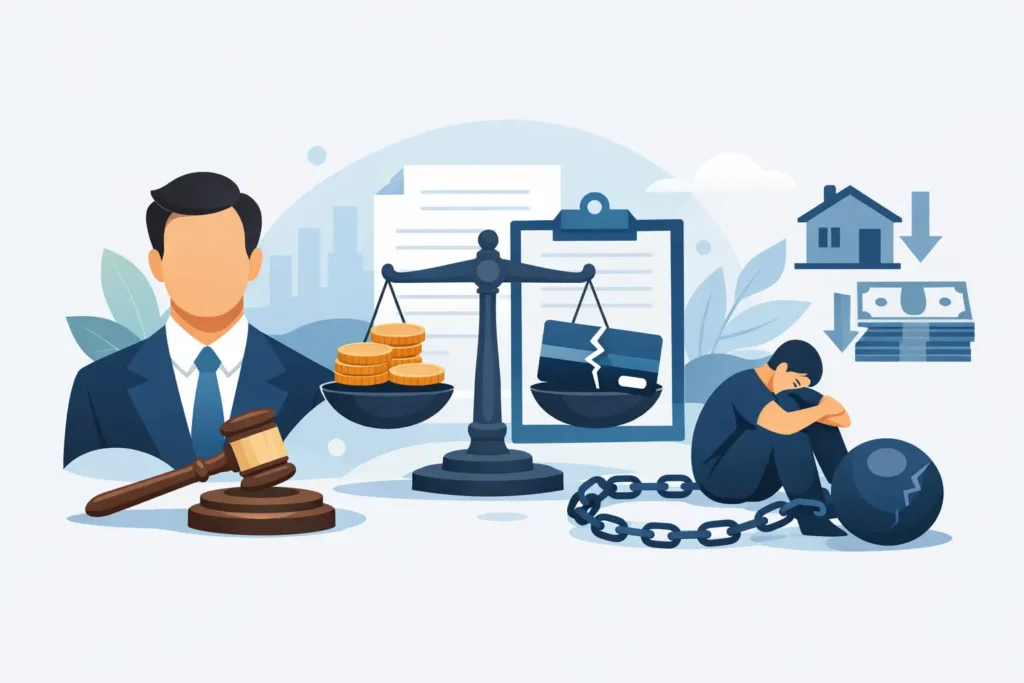
Debt problems rarely start with one bad bill. More often, it is a stack of minimum payments, collection calls, rising interest, and the growing feeling that you are always behind. When people start searching for debt relief attorney options, they are usually not looking for theory. They want to know what kind of help exists, what an attorney can actually do, and whether legal support is worth the cost.
That is the right question to ask. Not every debt problem needs a lawyer, but some absolutely do. The difference usually comes down to pressure, complexity, and risk. If you are dealing with a single credit card balance and steady income, a nonprofit credit counselor or direct negotiation with a creditor might be enough. If you are facing lawsuits, wage garnishment, aggressive collectors, tax debt, or a financial situation that touches multiple areas of your life, an attorney may be the more practical path.
What debt relief attorney options actually include
A debt relief attorney is not limited to one service. Depending on your situation, that professional may help with settlement strategy, creditor negotiations, collection defense, bankruptcy filings, lien issues, or legal review of debt-related agreements. Some attorneys focus on one area, such as consumer bankruptcy. Others handle broader debt resolution matters, especially when debt overlaps with tax issues, business liabilities, or consumer protection concerns.
This matters because “debt relief” is a broad phrase. Two people can use the same search term and need very different outcomes. One person may want lower monthly payments. Another may need to stop a lawsuit fast. Another may need a full reset through bankruptcy because the debt load is no longer realistic to repay.
The best option depends on what is creating the most damage right now. That could be interest, legal exposure, collection pressure, or simply the fact that the numbers no longer work.
Debt relief attorney options by situation
If your debt is unsecured, such as credit cards, personal loans, or medical bills, an attorney may help negotiate settlements for less than the full amount owed. This can be useful when you have some funds available for lump-sum offers or when creditors have become more aggressive. The trade-off is that settlements are not guaranteed, missed payments during negotiation can hurt your credit, and forgiven debt may have tax consequences in some cases.
If collectors are calling constantly, reporting inaccurate information, or using pressure that feels abusive, an attorney can also step in from a consumer protection angle. That is less about lowering the debt itself and more about enforcing your rights. In some cases, a legal violation by a collector changes the leverage in your favor.
If you have already been sued, your options narrow and become more urgent. Ignoring a debt lawsuit can lead to a default judgment, which may open the door to bank levies or wage garnishment, depending on the type of debt and state law. An attorney can review defenses, negotiate before judgment, or advise whether bankruptcy is the cleaner route.
For people whose debt is spread across many accounts and has reached a level they cannot realistically repay, bankruptcy may be the most effective legal option. That does not mean it is the right fit for everyone. It does mean it should be considered honestly, without stigma, when repayment is no longer achievable.
Settlement and negotiation
Attorney-led settlement is often useful when balances are large, collectors are threatening legal action, or the debtor wants someone else handling the communication. Lawyers can evaluate whether a proposed deal is realistic and whether the agreement is written in a way that actually protects you.
Still, settlement has limits. Secured debts like car loans and mortgages are different from unsecured debts, and some creditors are harder to negotiate with than others. If your income is too tight to fund settlements, this option may only delay a larger problem.
Bankruptcy representation
Bankruptcy is one of the most common debt relief attorney options because it is structured, court-based, and designed for people who need stronger protection than informal negotiation can provide. Chapter 7 may eliminate qualifying unsecured debt for those who meet income and eligibility rules. Chapter 13 may help people who have regular income but need time to catch up on certain obligations through a court-approved repayment plan.
The benefit is legal protection. Collection actions may stop, and there is a clear process. The trade-off is that bankruptcy affects credit, involves disclosure of your finances, and may not erase every type of debt. Student loans, recent tax obligations, child support, and some other debts often have different rules.
Lawsuit and collection defense
If a creditor, debt buyer, or collection firm has filed a case against you, speed matters. An attorney can review whether the plaintiff has proper documentation, whether the debt amount is accurate, whether the statute of limitations may apply, and whether settlement is still possible.
This area is easy to underestimate. Many consumers assume they only need help if they intend to fight the case all the way through trial. In reality, legal representation can also help secure a better resolution before that point. Sometimes the goal is not to win a dramatic courtroom battle. It is to prevent a judgment and regain room to breathe.
When an attorney makes more sense than a debt settlement company
This is where people often get stuck. Both types of services may talk about reducing debt, but they are not the same.
A debt settlement company may focus mainly on negotiating unsecured debts. An attorney can do that too, but also advise on legal consequences, defend lawsuits, assess bankruptcy eligibility, and flag issues that a non-legal provider cannot handle. If your debt problem could become a legal problem, or already is one, legal guidance usually offers more protection.
That does not automatically make an attorney the better choice in every case. If your situation is straightforward and you only need budgeting support or a repayment structure, a simpler option may cost less. But when the stakes rise, cheaper help can become expensive if it misses the real issue.
How to compare debt relief attorney options
Start with the type of debt you have. Credit card debt, tax debt, business debt, judgments, and secured loans each raise different questions. Then look at urgency. Are you behind, being sued, facing garnishment, or trying to prevent things from getting worse?
From there, ask practical questions. Does the attorney regularly handle your type of debt issue? Will they personally review your case or pass it off quickly? Are they recommending settlement, bankruptcy, defense, or a mix? What are the fees, and are they flat, hourly, or tied to a filing?
You should also ask what success looks like in your case. That answer should be specific. A good consultation usually leaves you with a clearer map, not just a sales pitch. If every problem seems to have the same solution, that is a sign to slow down.
What to bring to a first consultation
You do not need to organize your life into a perfect binder, but a few basics help. Gather recent statements, collection letters, court papers, a list of monthly income and expenses, and any prior settlement offers. If you are dealing with a lawsuit, bring every page you received and pay close attention to deadlines.
The more complete the picture, the more useful the advice. Debt relief is not just about what you owe. It is also about what you earn, what you own, and what kind of pressure is already in motion.
Cost, timing, and what to expect
Many people hesitate because they assume hiring an attorney is out of reach. Sometimes it is, but not always. Some lawyers charge flat fees for bankruptcy. Some offer paid consultations that can still be valuable if they help you avoid a bad choice. Others may structure fees around the type of case.
Timing also matters. People often wait until they have exhausted every other option, but that can reduce flexibility. A debt issue is usually easier to manage before a judgment is entered, before accounts multiply, and before panic drives the decision-making.
If you are trying to sort through options quickly, a service marketplace can save time by helping you identify professionals by category instead of starting from scratch. That kind of organized search is especially useful when debt problems overlap with other legal or financial issues and you need a more targeted match.
The right help should make things feel clearer, not more confusing. If your debt has become a legal, financial, and emotional drain all at once, taking the next step toward informed advice is often the point where the situation starts to become manageable again.