
Top Signs of Debt Collection Abuse to Act On
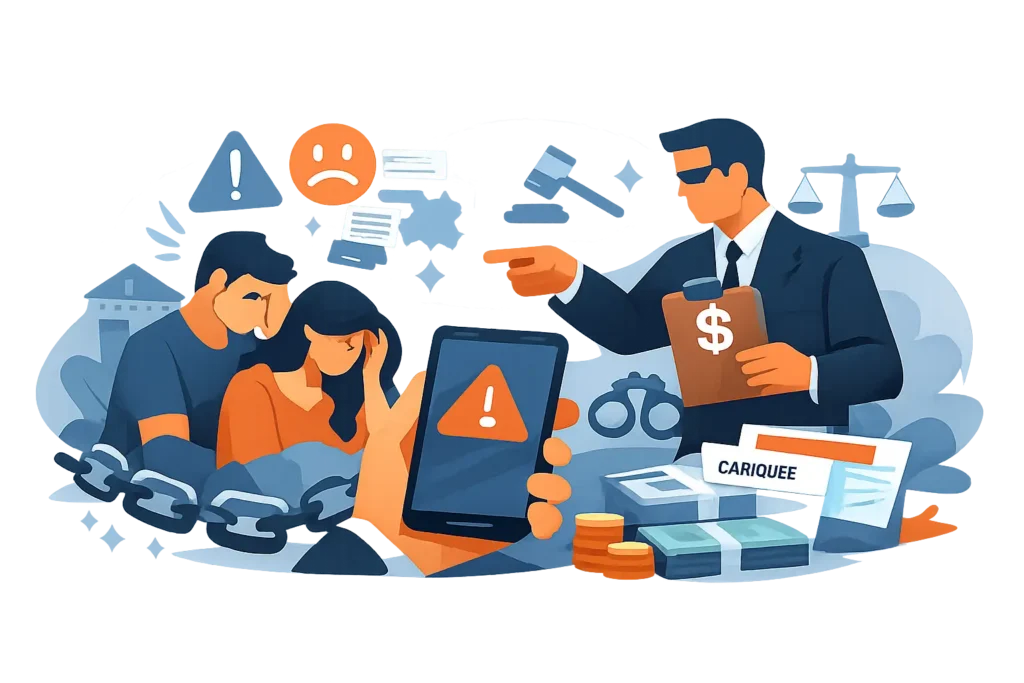
A debt collector may contact you about a real debt, but that does not give them permission to intimidate, shame, or mislead you. Recognizing the top signs of debt collection abuse can help you stop reacting under pressure and start protecting your options. The details matter: who is calling, what they said, how often they contacted you, and whether they can prove the debt is actually yours.
Federal law sets limits on many third-party debt collectors, including collection agencies, debt buyers, and law firms collecting debts for someone else. Original creditors may be governed by different rules, but they still cannot use every tactic. If the conduct feels threatening or deceptive, treat that concern seriously and document it.
Top Signs of Debt Collection Abuse
1. Threats of arrest, jail, or criminal charges over an ordinary debt
A collector cannot have you arrested simply because you did not pay a consumer debt such as a credit card balance, medical bill, or personal loan. Debt is generally a civil matter, not a crime. A caller who says police are on the way, that you will be jailed tonight, or that you must pay immediately to avoid criminal charges may be using an unlawful pressure tactic.
There are narrow situations involving court orders or allegations unrelated to ordinary nonpayment, but a collector should not use vague threats to make you panic. If someone mentions a lawsuit, ask for the case number, court name, and written notice. Never assume a threatening phone call means legal action has actually been filed.
2. Calls at unreasonable times or repeated calls meant to wear you down
Collection calls are generally restricted to reasonable hours. Calls before 8 a.m. or after 9 p.m. in your time zone are a clear warning sign unless you agreed to another time. So is a pattern of repeated calls intended to harass, annoy, or abuse you.
One missed call is not abuse. Even several attempts to reach you may be legitimate, depending on the circumstances. The problem arises when the contact becomes relentless, especially after you have asked for communication in writing or explained that certain times are inappropriate. Keep a call log with dates, times, phone numbers, voicemails, and a short description of each conversation.
3. Contacting your employer, family, or friends about your debt
Collectors may sometimes contact other people to locate you, but they generally cannot disclose that you owe a debt or discuss account details with them. A collector who tells your parent, coworker, neighbor, or employer that you are behind on payments may be crossing a legal line.
Workplace contact deserves special attention. If your employer prohibits personal calls, tell the collector that they may not contact you at work. Put the request in writing when possible and retain a copy. If the calls continue, the written record can become very useful.
4. Refusing to identify the company or provide debt details
You should be able to learn who is contacting you, the name of the creditor, and the amount they claim you owe. A legitimate collector should not demand sensitive information or immediate payment while refusing to provide basic details about the account.
This matters because collection scams are common. A scammer may know your name, former address, or the last four digits of an old account. That information alone does not prove the caller has a valid claim. Ask for the company name, mailing address, callback number, original creditor, account reference number, and a written validation notice. Do not provide your Social Security number, bank login, debit card number, or payment information merely to verify an account.
5. Demands for payment before you can dispute the debt
You have the right to question a debt that is inaccurate, already paid, too old to be collected through a lawsuit, or not yours at all. After receiving a required written validation notice, you generally have a limited period to dispute the debt in writing. A collector who says you have no right to dispute, or insists that payment must happen before they will send documents, should raise concern.
Disputing a debt does not automatically make it disappear. It does require the collector to take your dispute seriously and, in many cases, pause collection activity until it provides verification. Send disputes in writing, keep copies, and use a delivery method that creates a record of when the letter was received.
6. False statements about lawsuits, wages, or bank accounts
Collectors cannot pretend that legal action has already begun when it has not. They also cannot falsely claim they can garnish wages, seize property, or take money from your bank account without the required legal process.
A real lawsuit comes through formal court paperwork, not just an alarming voicemail. Still, do not ignore actual court documents. Missing a deadline can lead to a default judgment, which may give a creditor more collection options. If you receive a summons, complaint, garnishment notice, or notice from a court, speak with a consumer law or debt defense professional promptly.
7. Profane, degrading, or shaming language
A collector does not have the right to insult you, use obscene language, threaten violence, or shame you for financial hardship. This includes humiliating messages designed to make someone else hear about the debt.
Financial stress can make a harsh call feel impossible to handle. You do not need to argue or explain your entire situation. State that you want written information about the debt, end the call, and write down exactly what was said. If your state allows it, recordings can be helpful, but recording laws vary. Get legal guidance before recording a conversation without the other party’s consent.
8. Pressure to pay through unusual or untraceable methods
Gift cards, cryptocurrency, wire transfers to an individual, payment apps sent to a personal account, and prepaid cards are common scam signals. A legitimate debt may be paid electronically, but you should first confirm the collector’s identity and the debt’s validity.
Even with a verified collector, payment is a decision with consequences. A partial payment may affect the time a creditor has to sue in some states, and a settlement can have tax or credit-reporting implications. Before agreeing to anything, ask for the full terms in writing: the settlement amount, due date, whether the payment resolves the account, and how the account will be reported.
What to Do When a Collector Crosses the Line
Start by creating a simple evidence file. Save letters, envelopes, texts, emails, screenshots, call logs, voicemails, payment receipts, and notes made immediately after every conversation. Write down the caller’s name, company, phone number, and the exact words used for any threat or misleading statement.
Next, verify the debt without giving away additional personal information. Request written validation and compare the information with your own records. Check whether the balance includes unexplained fees or interest, whether the original creditor is correct, and whether you may have already resolved the account.
If the debt is valid but you cannot pay in full, you may have options. Depending on your circumstances, those can include a payment arrangement, a negotiated settlement, credit counseling, or bankruptcy guidance. The right answer depends on the amount owed, your income, other debts, assets, and whether a lawsuit is pending. Fast promises of debt elimination should be treated as carefully as aggressive collection calls.
You can also file a complaint with the appropriate consumer protection agencies and speak with a consumer protection attorney. Florida residents may have additional protections under state law, so local legal advice can be especially valuable when calls, letters, or threats continue.
When Professional Help Makes Sense
Get help quickly if a collector has sued you, threatened action they cannot take, contacted your workplace after being told not to, pursued a debt you do not recognize, or continued harassment after a written dispute. A qualified professional can review the documents, identify deadlines, and tell you whether the behavior may support a legal claim.
When a standard search produces too many vague results, a category-based professional directory can make the next step more manageable. dwai.com helps consumers identify relevant legal, debt, and financial resolution professionals and move directly from the problem to a conversation with the right type of specialist.
You do not have to solve a collection problem during a stressful phone call. Slow the conversation down, put the request in writing, preserve the evidence, and get advice before pressure turns into a decision you regret.