
Stop Wage Garnishment Legal Help Fast
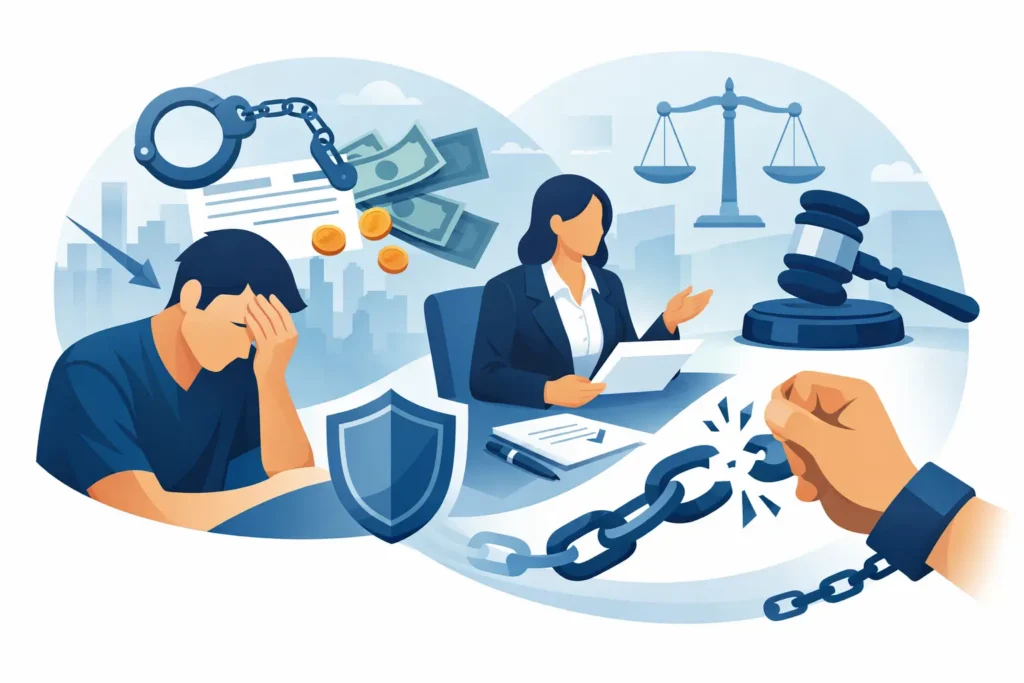
A smaller paycheck usually gives people about one pay period before panic sets in. Rent is still due, groceries still cost what they cost, and the notice you got may read like the decision is final. If you need stop wage garnishment legal help, the most useful thing to know right away is this: garnishment is serious, but it is not always untouchable.
Wage garnishment happens when money is taken from your paycheck to pay a debt after a court order, a government collection action, or another legally authorized process. What happens next depends on who is collecting, what kind of debt it is, and whether the process was handled correctly. That is why the right kind of help matters more than generic debt advice.
When wage garnishment can be stopped
People often assume garnishment means they already missed every chance to fight back. Sometimes that is true. Often, it is not.
A garnishment may be paused, reduced, challenged, or ended if there was a problem with notice, if the amount is wrong, if your income is exempt, or if a legal filing changes the collection landscape. Some debts are harder to interrupt than others. Child support, federal student loans, tax debts, and consumer judgments do not all follow the same rules.
That is where timing matters. If your employer just notified you, you may still have a short window to object. If money has already started coming out of your wages, there may still be options, but they can shrink the longer you wait.
Stop wage garnishment legal help starts with the debt type
The first question a professional will usually ask is simple: who is garnishing your wages?
If it is a credit card company, medical debt collector, or personal loan creditor, the garnishment usually follows a court judgment. That means there may be room to review whether the lawsuit was properly served, whether the balance is accurate, and whether state exemptions apply.
If the debt is related to taxes, the process can look very different. Tax authorities have collection powers that do not always require the same court steps as private creditors. In those cases, legal or tax resolution help may focus more on negotiating a release, setting up a payment arrangement, or proving financial hardship.
If the garnishment involves child support or spousal support, courts generally treat it as a high-priority obligation. It can still be worth getting legal guidance, especially if the amount is based on outdated income information or there is an enforcement error, but expectations need to be realistic.
Federal student loan collections can also involve special administrative procedures. The path to relief may include rehabilitation, consolidation, hardship review, or a challenge based on notice and process.
The point is simple: the phrase wage garnishment covers several different systems. The right professional is the one who handles your specific kind of debt, not just debt problems in general.
What a lawyer or debt professional may actually do
People looking for help often imagine one dramatic court filing that makes everything disappear. Sometimes emergency action is possible, but most real solutions are more practical than dramatic.
A qualified professional may review the judgment or collection notice, check whether the creditor followed the law, identify exemptions, file objections, negotiate a settlement, seek a payment arrangement, or advise whether bankruptcy protection should be considered. In some cases, the best move is to challenge the garnishment itself. In others, the better move is to address the underlying debt in a way that makes continued garnishment unnecessary.
That distinction matters. Stopping the immediate paycheck deduction feels urgent because it is urgent. But if the larger debt problem stays untouched, the pressure often returns.
Bankruptcy is sometimes part of stop wage garnishment legal help
Many people hesitate to even ask about bankruptcy because they assume it means financial failure. In practice, it is a legal tool, and for some households it is the fastest way to stop a garnishment.
When a bankruptcy case is filed, an automatic stay may stop many collection actions, including wage garnishment, depending on the debt and the facts of the case. That does not mean every debt vanishes or every garnishment ends forever. Domestic support obligations and certain tax debts can follow different rules. Still, when someone is dealing with multiple debts, repeated collection activity, and no realistic way to catch up, bankruptcy can shift the situation immediately.
That does not make it the right answer for everyone. Bankruptcy affects credit, property planning, and future borrowing. It also depends on income, asset levels, and the kind of debt involved. But if your paycheck is already being cut and other bills are stacking up, it is often worth evaluating rather than dismissing out of hand.
Red flags that you need help quickly
Some garnishment cases can wait a few days for document gathering. Others really should not.
If you never knew about the lawsuit, if the garnishment amount seems larger than expected, if your paycheck leaves you unable to cover basic living expenses, or if the debt may already have been paid or settled, move fast. The same is true if your income may be protected by exemption rules or if you are facing multiple collection actions at once.
For Florida residents, wage garnishment rules can include important exemptions, especially for certain heads of family. That does not mean everyone qualifies, and creditors may dispute those claims, but it is exactly the kind of detail that can change the outcome. Local legal guidance matters because state-specific protections can be powerful when they apply.
What to gather before you ask for legal help
The faster a professional can see the full picture, the faster they can tell you whether there is a realistic path to relief.
Try to have your garnishment notice, recent pay stubs, any court papers, the original creditor name if you know it, and records of payments or settlement offers. If the debt changed hands, collect any letters from debt buyers or collection agencies. If your household finances are tight, a simple list of your monthly income and essential expenses can also help show hardship.
You do not need a perfectly organized file to ask for help. But even a few clear documents can make the first conversation more productive.
How to choose the right stop wage garnishment legal help
The most helpful provider is not always the one making the biggest promises. It is the one whose experience matches your problem.
If the issue comes from a civil judgment, look for an attorney or service familiar with debt defense, consumer law, or creditor judgment enforcement. If taxes are involved, tax resolution experience matters. If bankruptcy may be on the table, talk to someone who handles those filings regularly. If the garnishment relates to family support, family law experience is usually more relevant than general debt help.
Ask practical questions. Have they handled this type of garnishment before? Can they explain the likely options in plain language? Do they see a short-term fix, a long-term fix, or both? Are there deadlines you need to meet right away?
A good conversation should leave you clearer, not more confused.
What not to do while wages are being garnished
Silence is expensive in these situations. Ignoring notices, assuming payroll made a mistake, or waiting for the creditor to be reasonable on its own can cost you options.
It is also risky to rely on broad internet advice that treats all garnishments the same. The rule that helped someone with a credit card judgment may not apply to a tax levy or support order. And while debt settlement companies may help in some situations, not every service is built to handle active legal enforcement.
Be cautious with anyone who guarantees they can stop garnishment no matter what. Real professionals explain limits as clearly as they explain opportunities.
The best next step is usually the simplest one
When your paycheck is under pressure, you do not need a lecture. You need to know what kind of debt is driving the garnishment, what deadlines apply, and who is qualified to step in. That is why organized access to the right category of help matters.
If you are sorting through legal, tax, debt, or bankruptcy options and do not want to waste days calling the wrong offices, a marketplace such as dwai.com can make that search easier by helping you connect with professionals who handle the kind of problem you are facing.
A garnishment notice can make it feel like the decision has already been made for you. Often, it has not. The sooner you get the right set of eyes on the documents, the better your chances of protecting your paycheck and making a plan that actually holds.